
The History of Car Clubs: From Street Gatherings to Global Communities
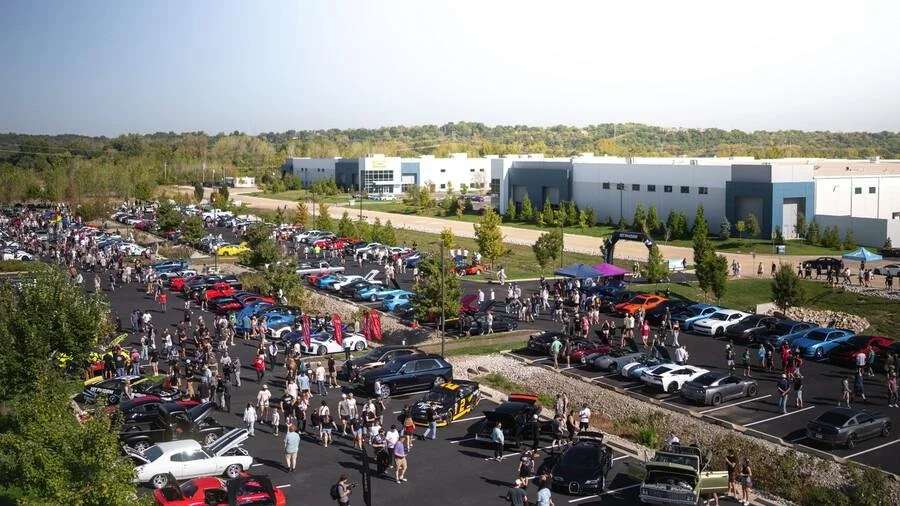
Car clubs have been a cornerstone of automotive culture for more than a century. What began as small groups of automobile owners sharing a passion for the newest transportation technology evolved into organized communities centered around performance, customization, cruising, racing, charity work, and lifelong friendships.
Early Automobile Clubs (1890s–1920s)
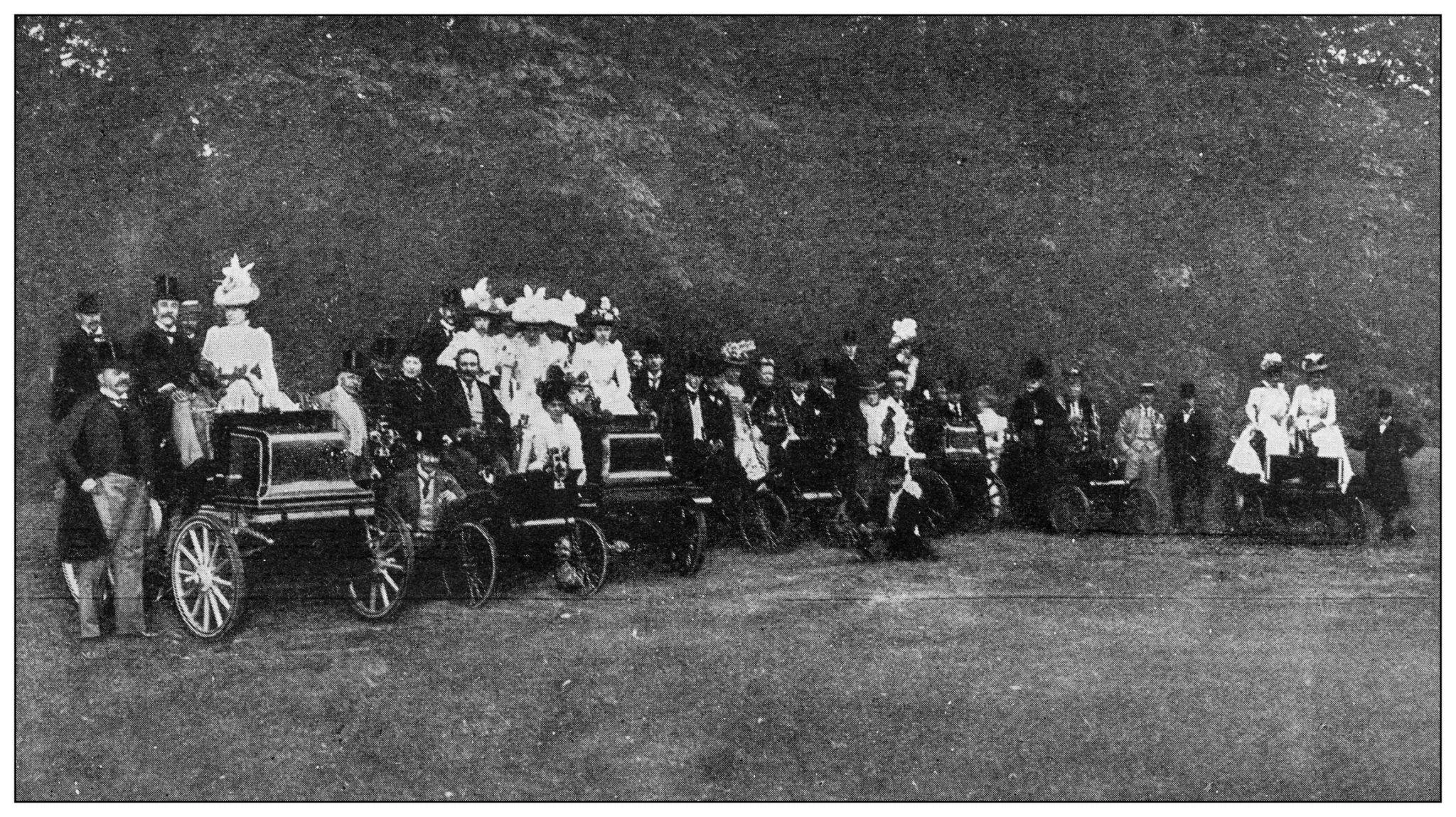
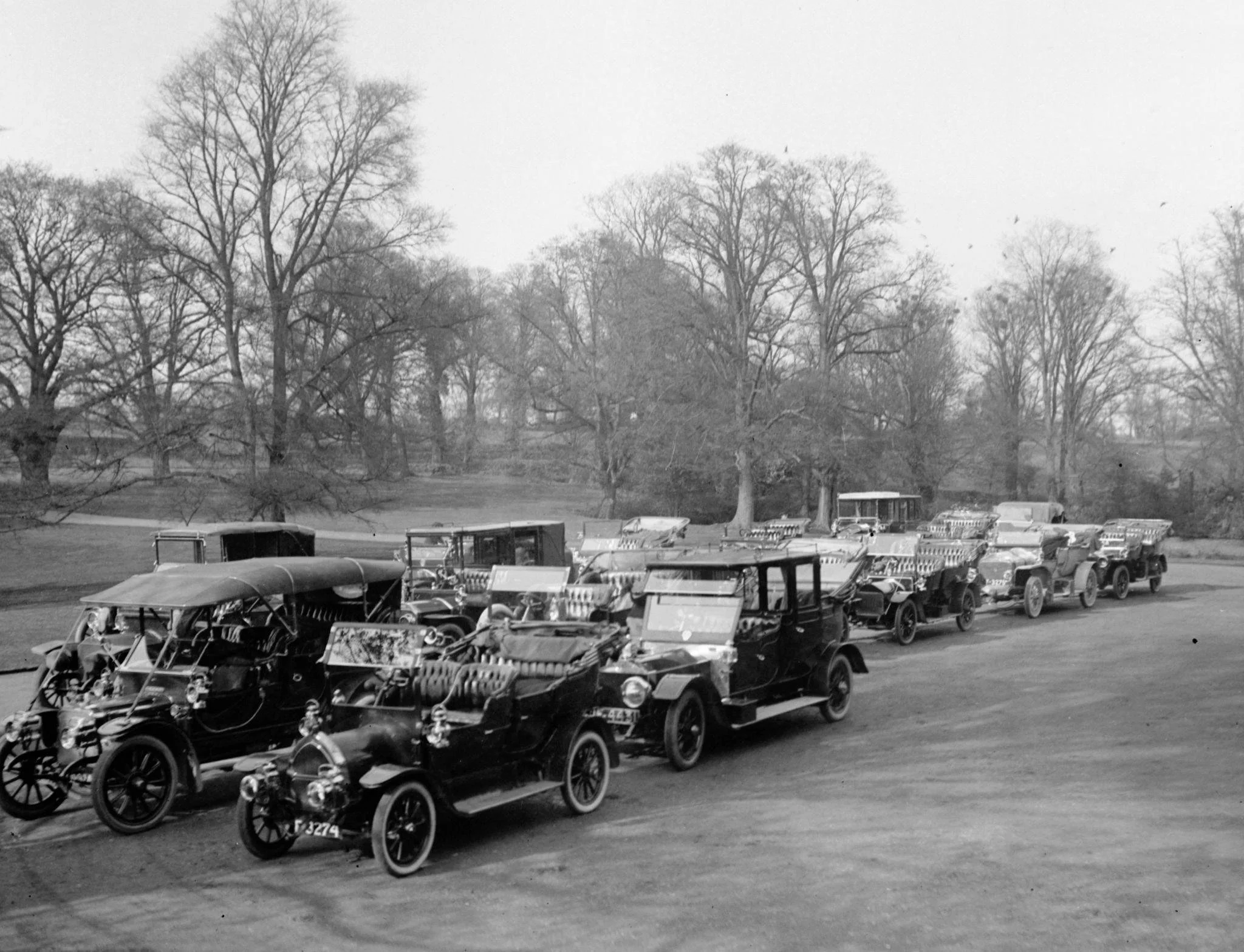
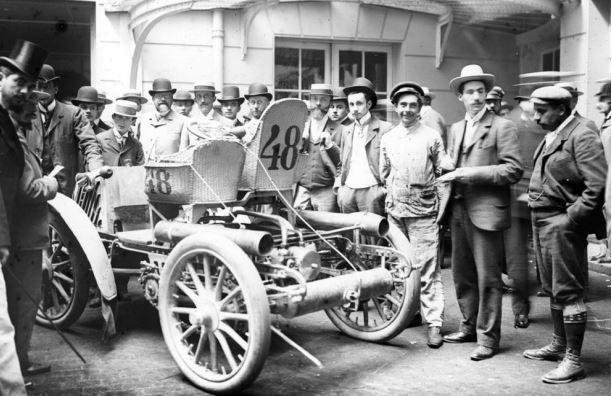
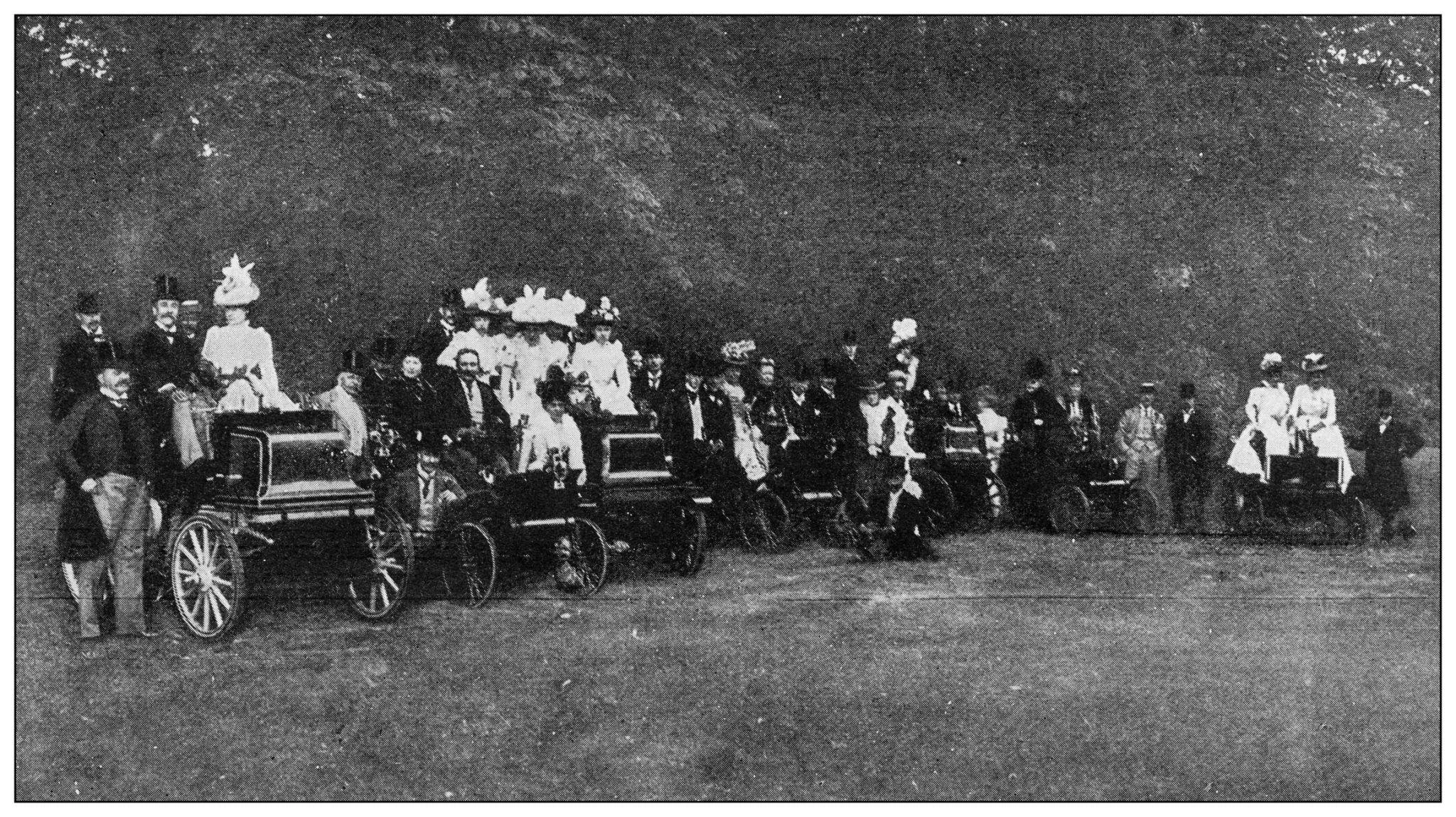
When automobiles first appeared in the late 19th century, they were rare and expensive. Owners often formed clubs to share knowledge, organize road tours, and advocate for better roads.
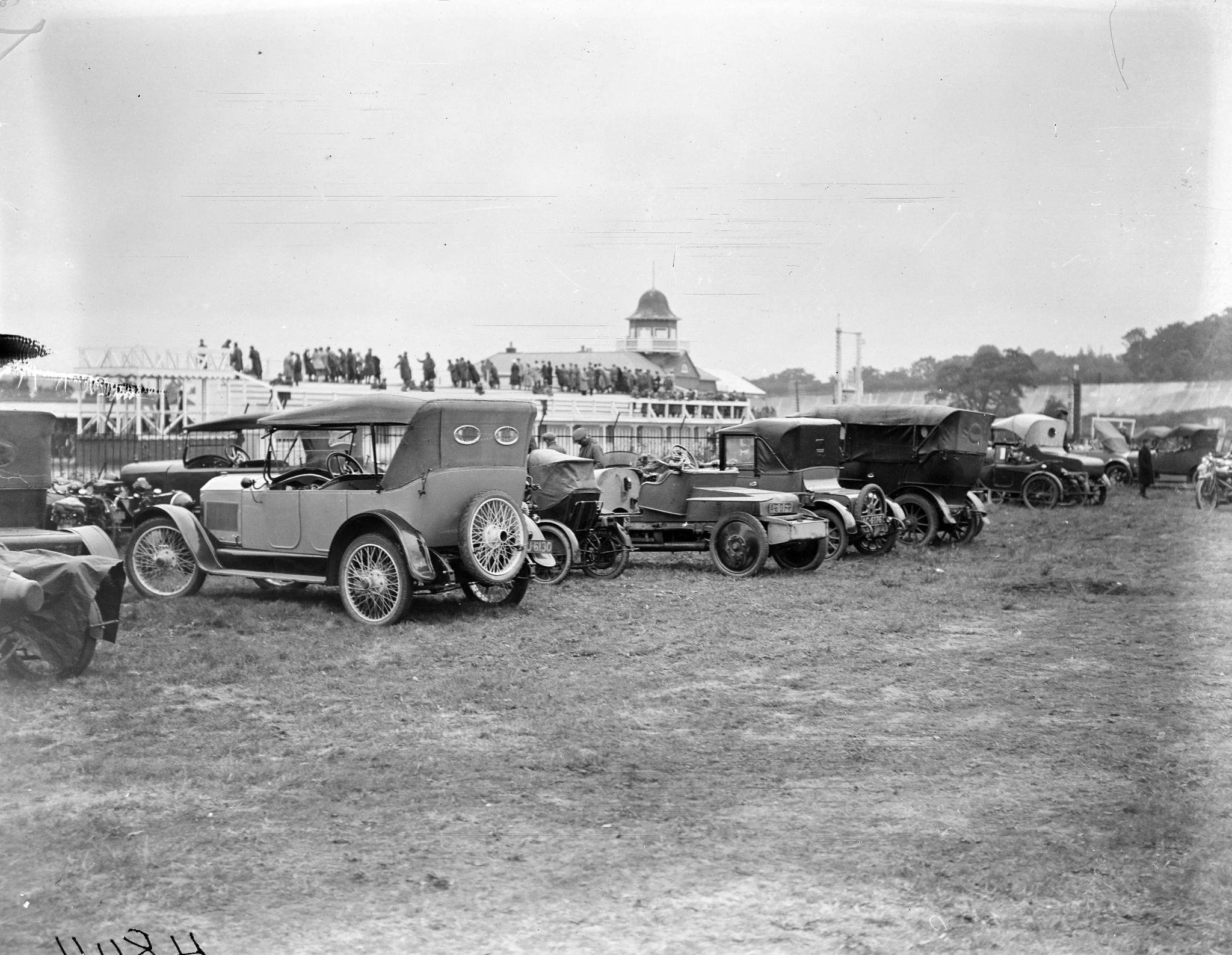
One of the most influential organizations was the American Automobile Association, founded in 1902. Clubs during this era focused on:
Road touring events
Vehicle maintenance knowledge
Promoting highway development
Social networking among automobile owners
Cars were still novelties, and belonging to a club provided valuable support and community.
The Rise of Hot Rod Culture (1930s–1950s)
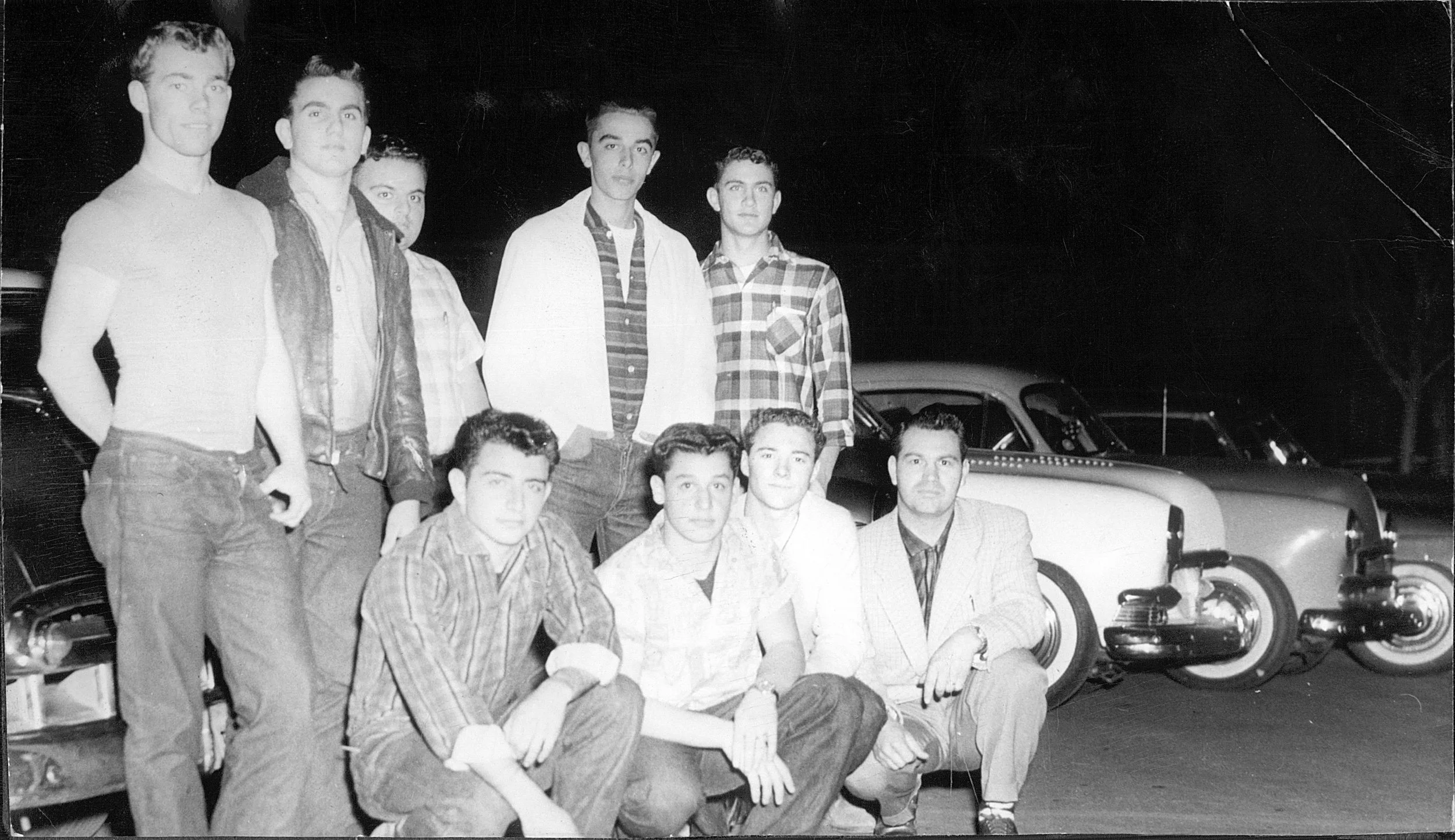
As automobiles became more common, enthusiasts began modifying them for speed. Young builders removed weight from older cars, upgraded engines, and raced on dry lake beds throughout the American West.
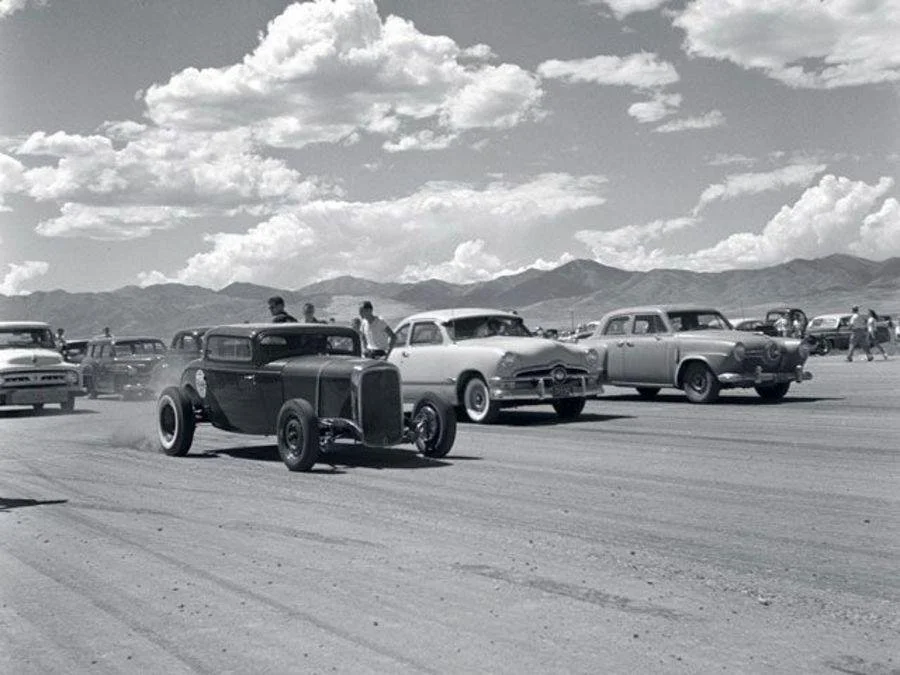
This era gave birth to legendary hot rod clubs and organizations such as:
National Hot Rod Association
Local hot rod clubs across California and the United States
Racing associations that helped move illegal street racing into sanctioned competition
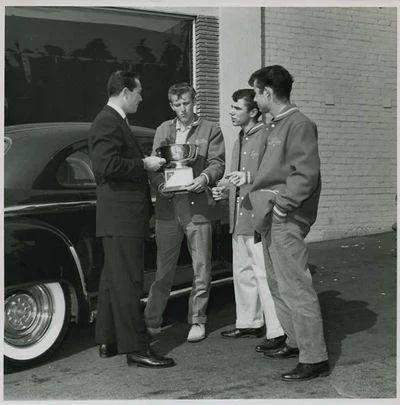
Club jackets, plaques, and custom logos became symbols of pride and identity.
The Golden Age of Custom Car Clubs (1950s–1970s)
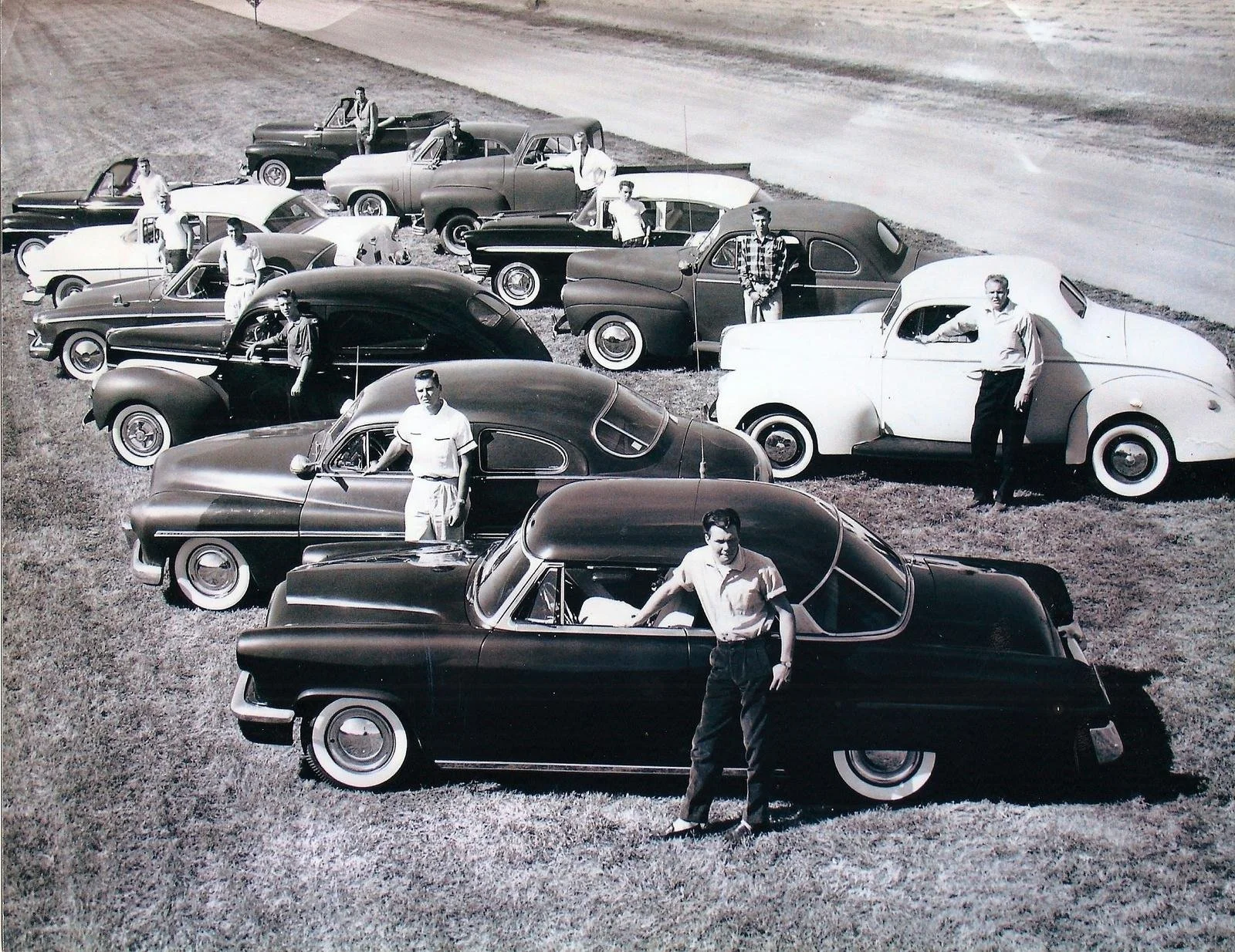
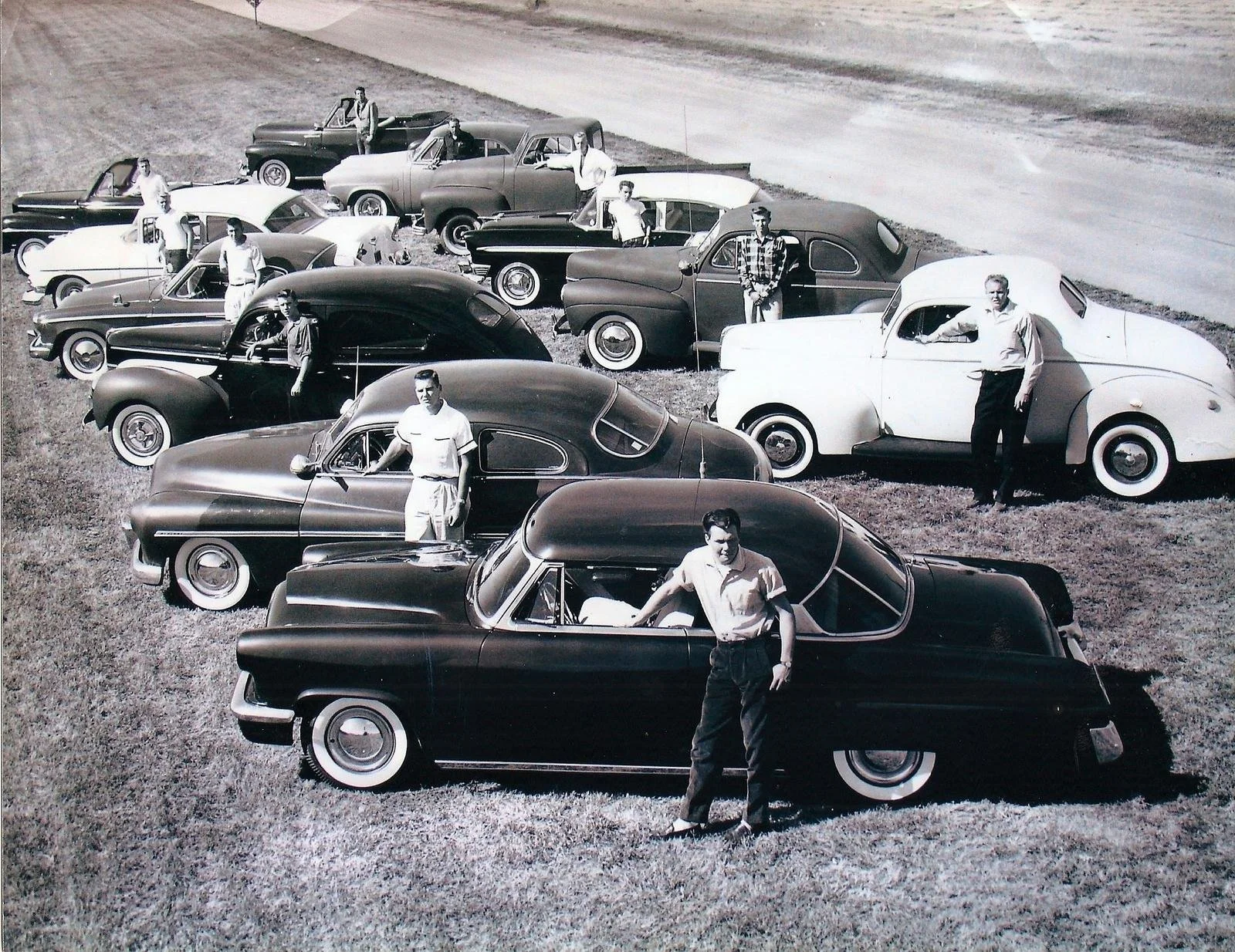
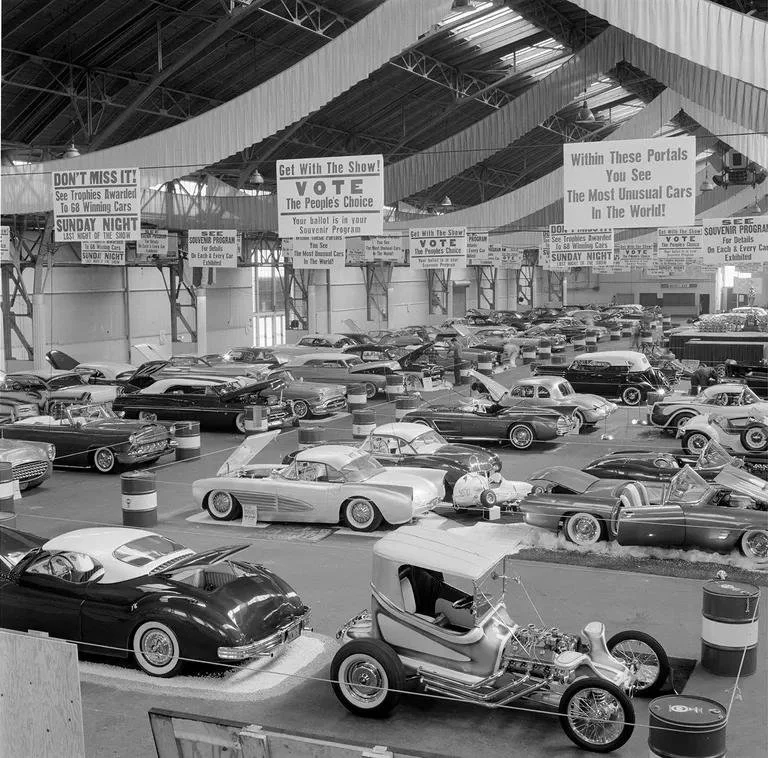
After World War II, returning veterans brought mechanical skills and creativity into the automotive hobby. This led to an explosion of custom car culture.
Muscle Car and Street Machine Era (1960s–1980s)
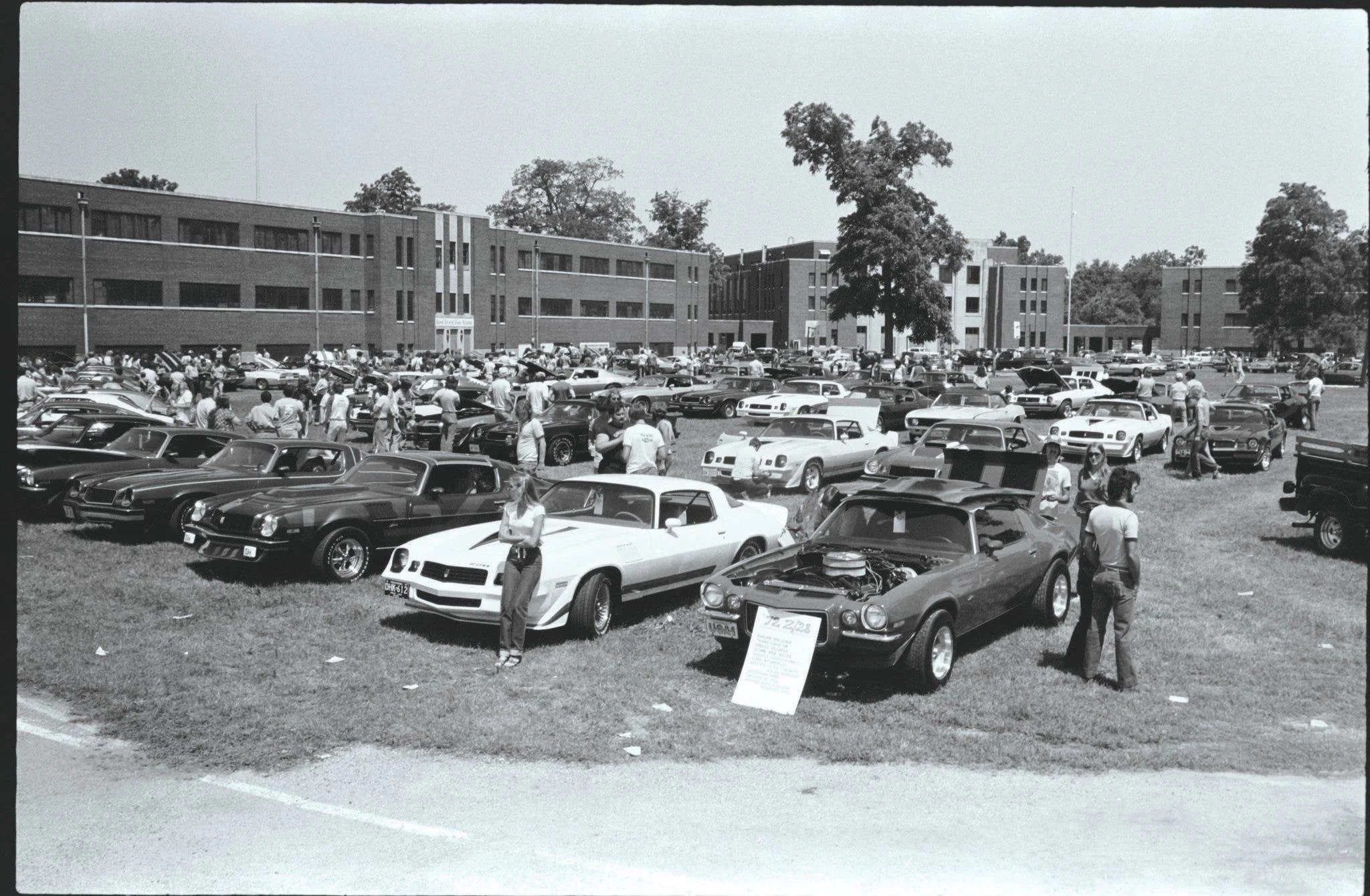
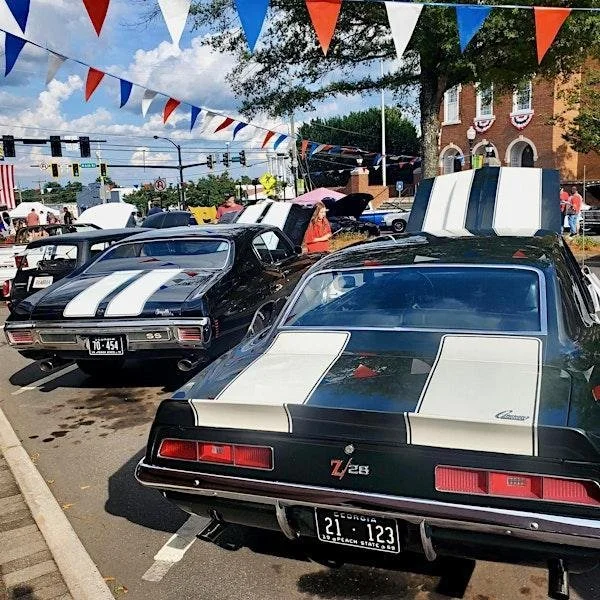
The arrival of high-performance factory vehicles created a new generation of clubs centered on brand loyalty and horsepower.
Popular club activities included:
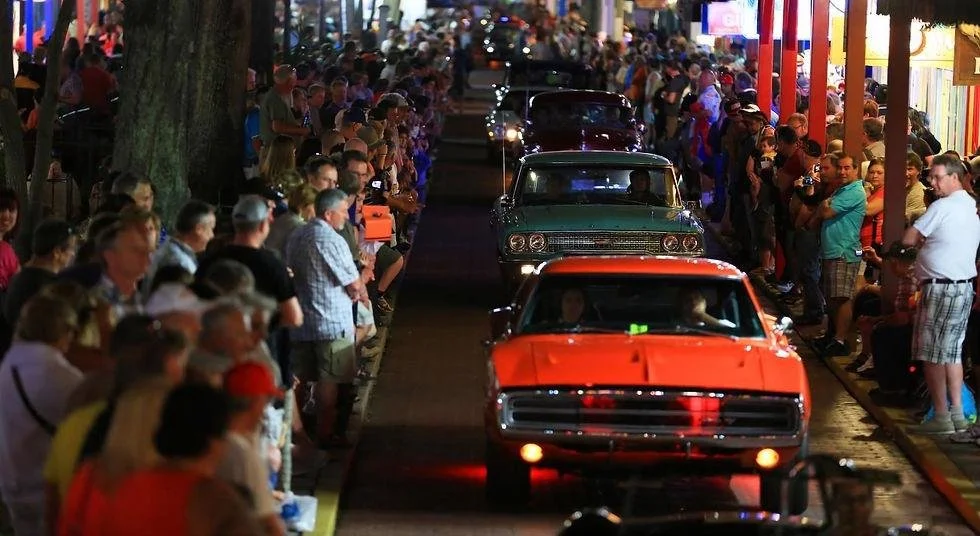
Weekend cruises
Car shows
Drive-in gatherings
Charity events
Custom paint and body competitions
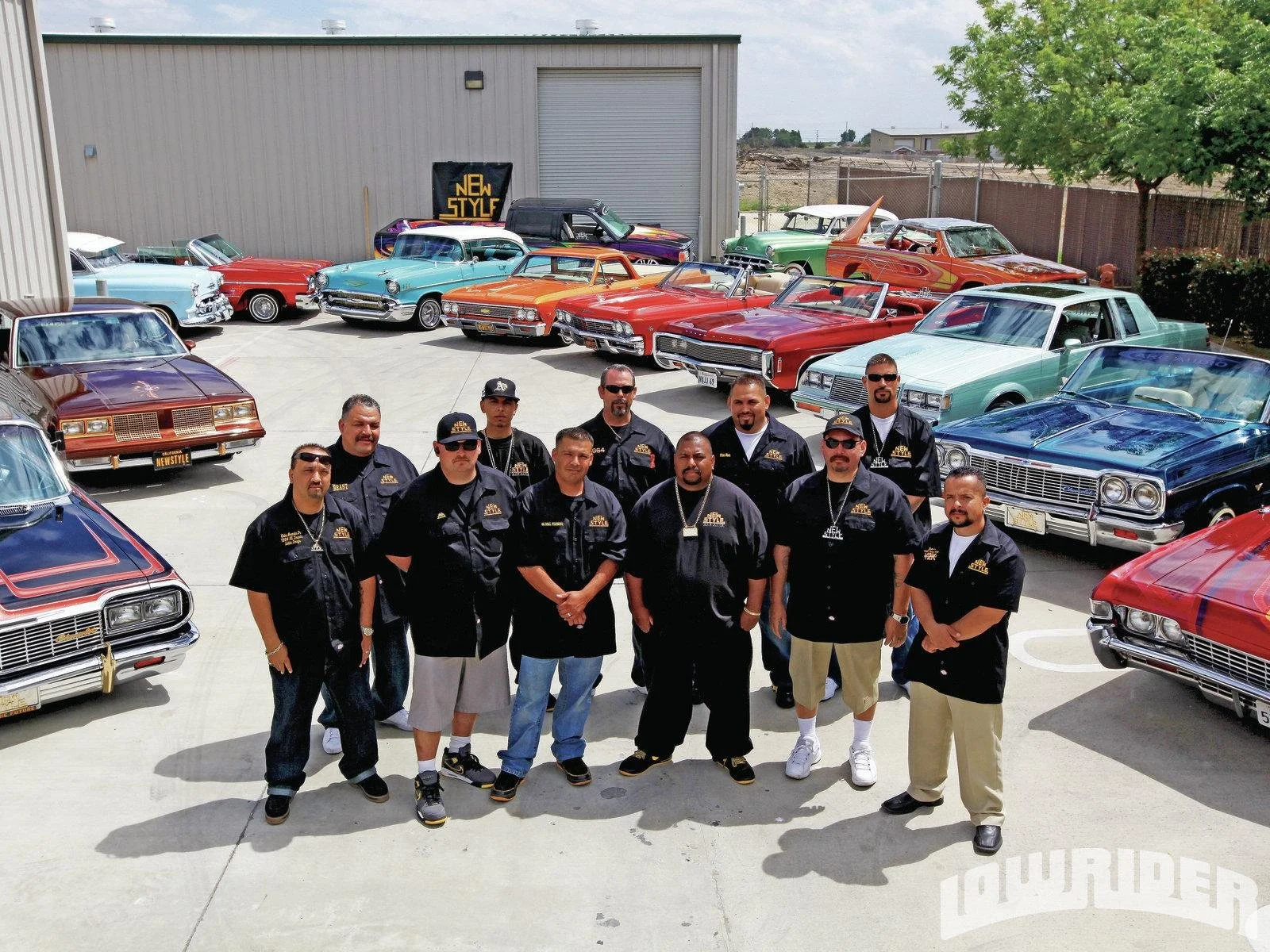
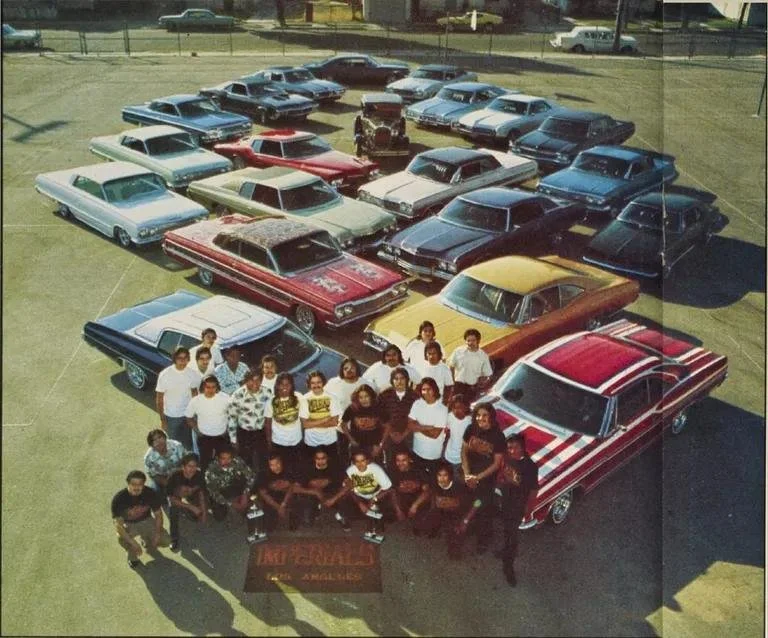
During this period, lowrider clubs emerged strongly in the Southwestern United States, particularly in Los Angeles and surrounding communities. These clubs emphasized craftsmanship, family involvement, and cultural expression.
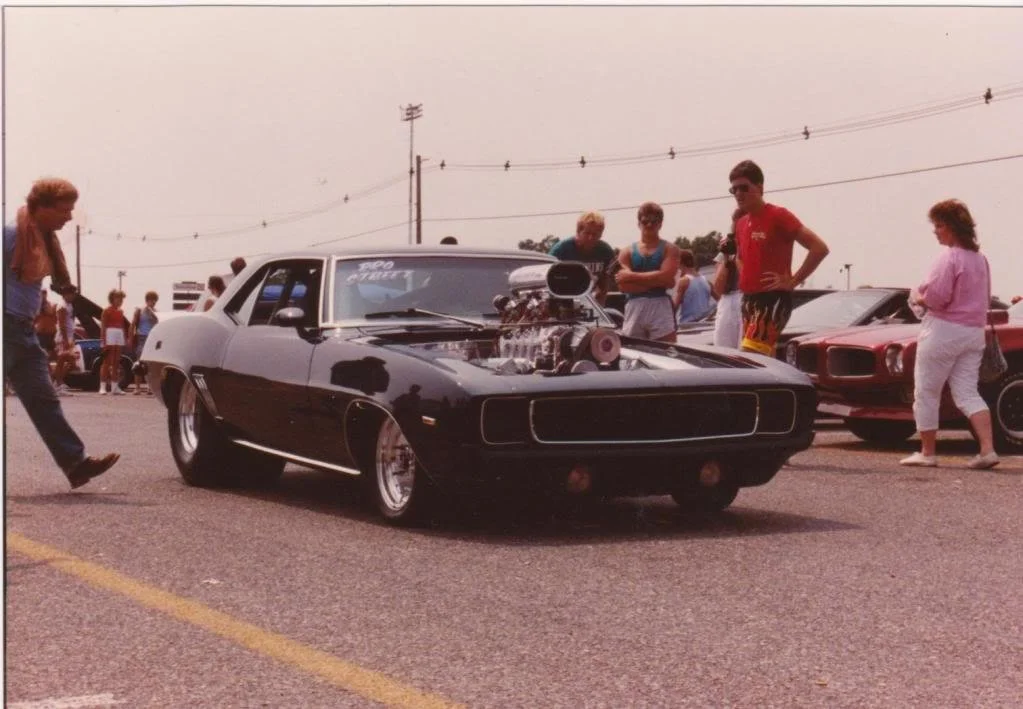
Clubs formed around:
Ford Mustangs
Chevrolet Camaros and Chevelles
Dodge Chargers and Challengers
Regional street machine organizations
Club members often traveled long distances to attend national meets and competitions.
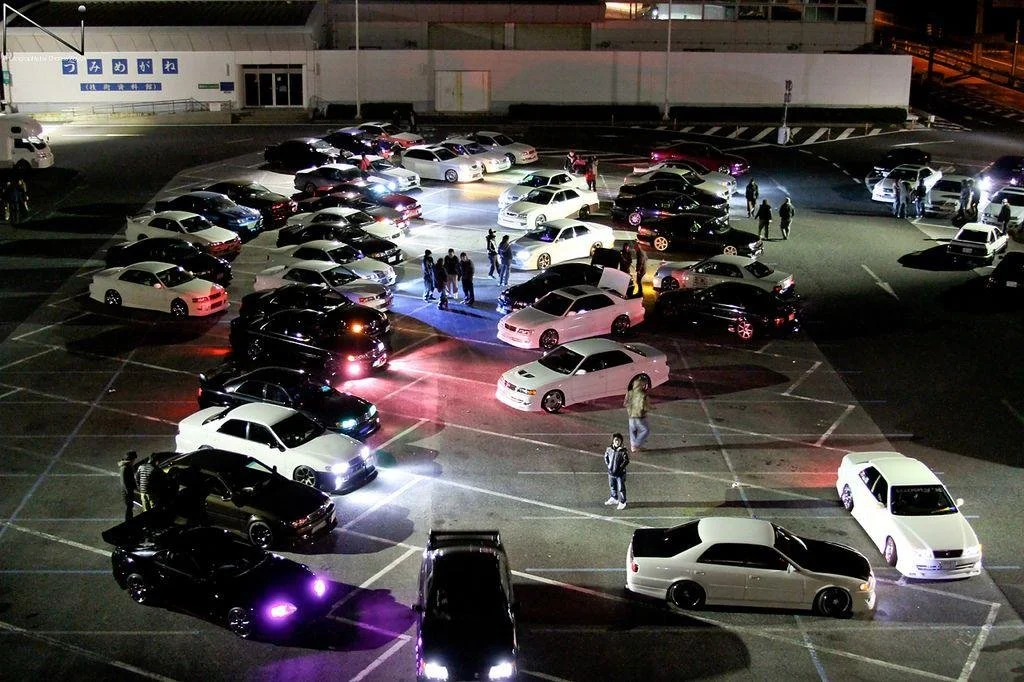
Popular platforms included:
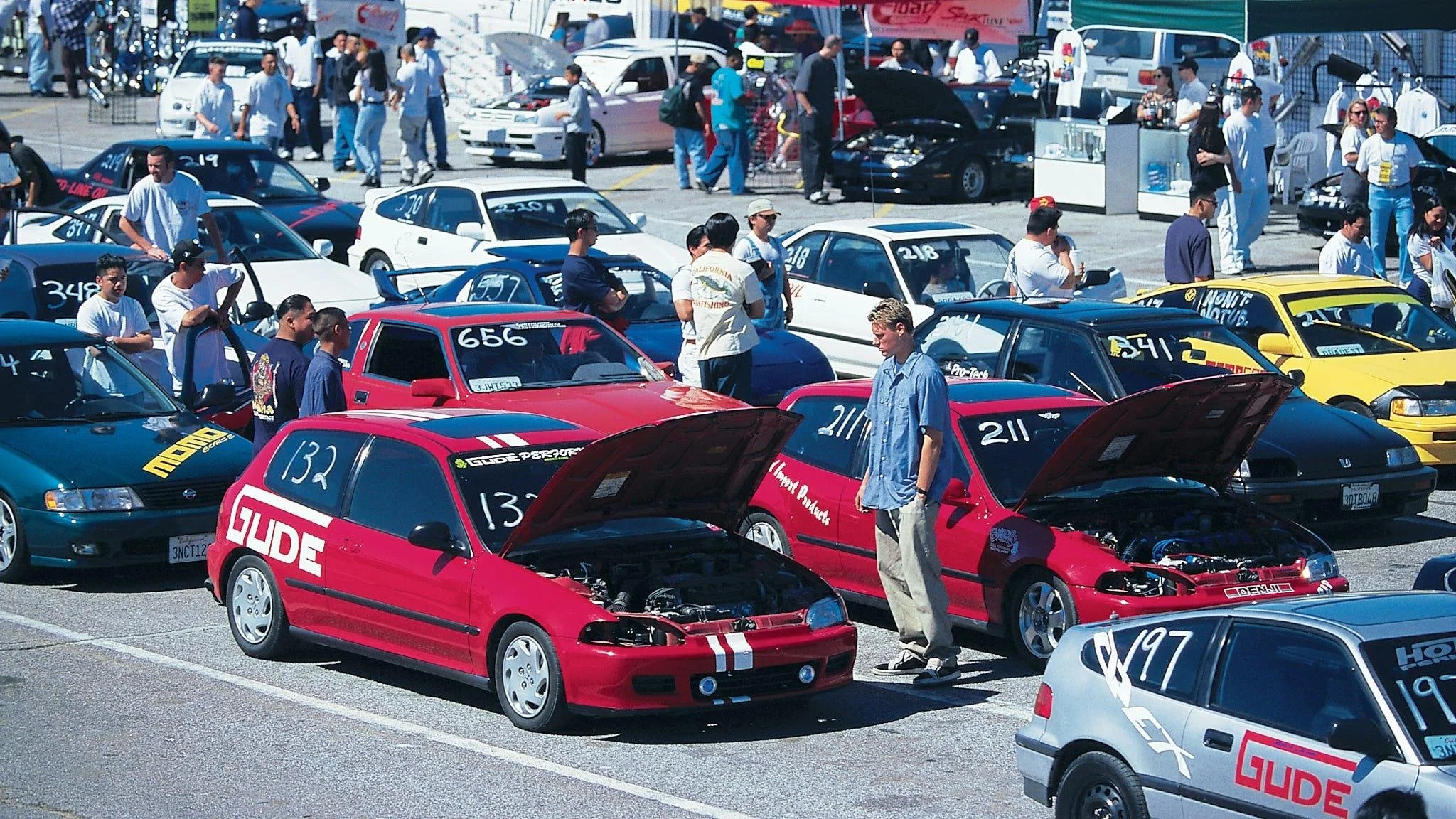
Honda Civic
Acura Integra
Nissan Skyline GT-R
Mitsubishi Eclipse
Toyota Supra
The popularity of films such as The Fast and the Furious helped introduce import car culture to a global audience.
This era also saw:
Organized car meets
Performance competitions
Audio competitions
Online forums
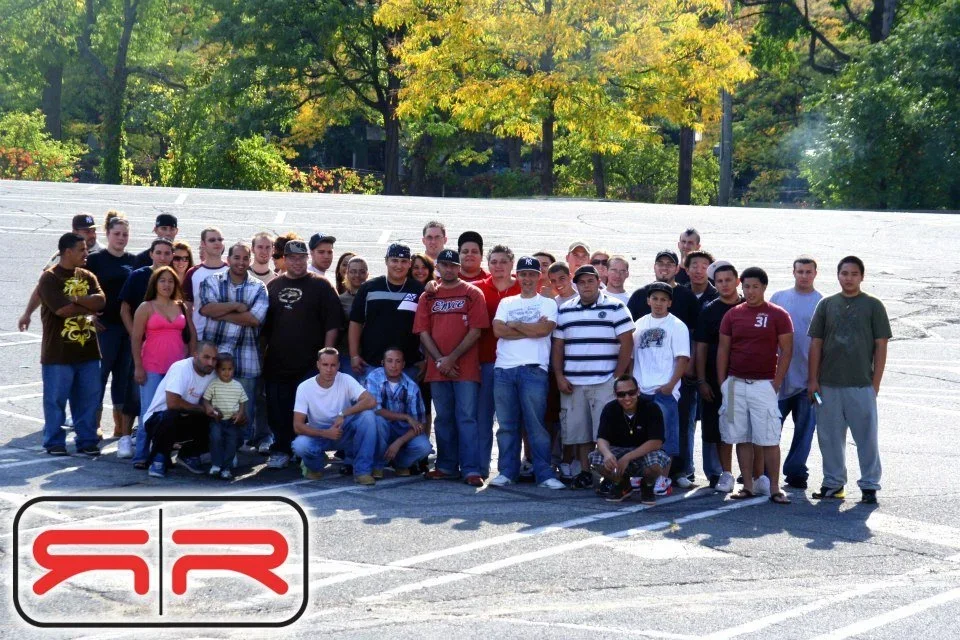
Club websites and merchandise
Import Tuner Culture and Modern Car Clubs (1990s–2000s)
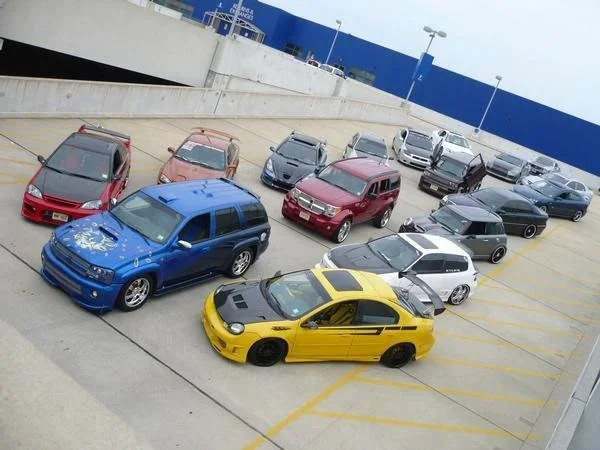
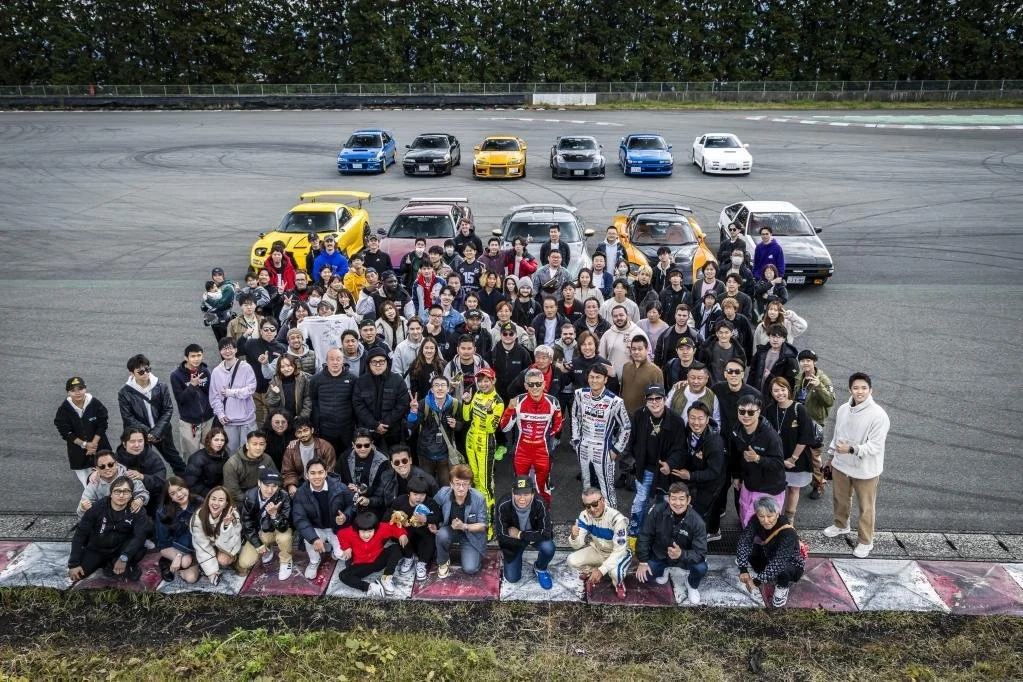
The rise of Japanese performance vehicles transformed the club scene. Affordable imports provided a platform for customization and performance upgrades.
Social Media and the Global Club Movement (2010s–Today)
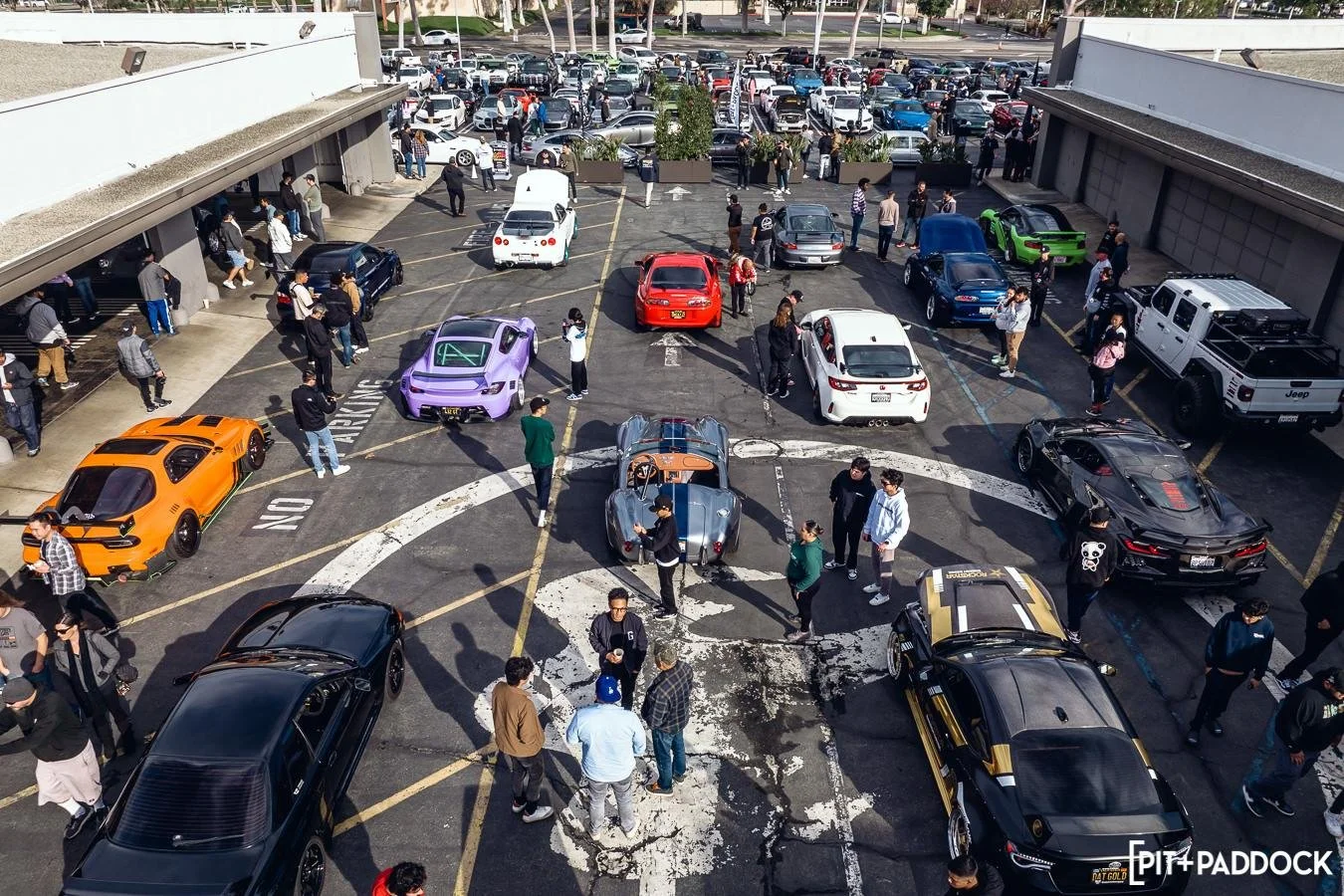
Today's car clubs are more connected than ever. Social media allows clubs to recruit members, organize events, and showcase builds worldwide.
Modern clubs often focus on:
Community building
Charity fundraisers
Educational events
Brand promotion
Automotive lifestyle culture
Content creation
Many clubs now operate as lifestyle brands, producing:
Apparel
Accessories
Digital content
Event series
Automotive media
What Makes a Car Club?
While styles vary, most successful car clubs share common values:
🚗 Passion for automobiles
🤝 Brotherhood and friendship
🎨 Creativity and customization
🏁 Respect for automotive heritage
❤️ Community involvement and charity work
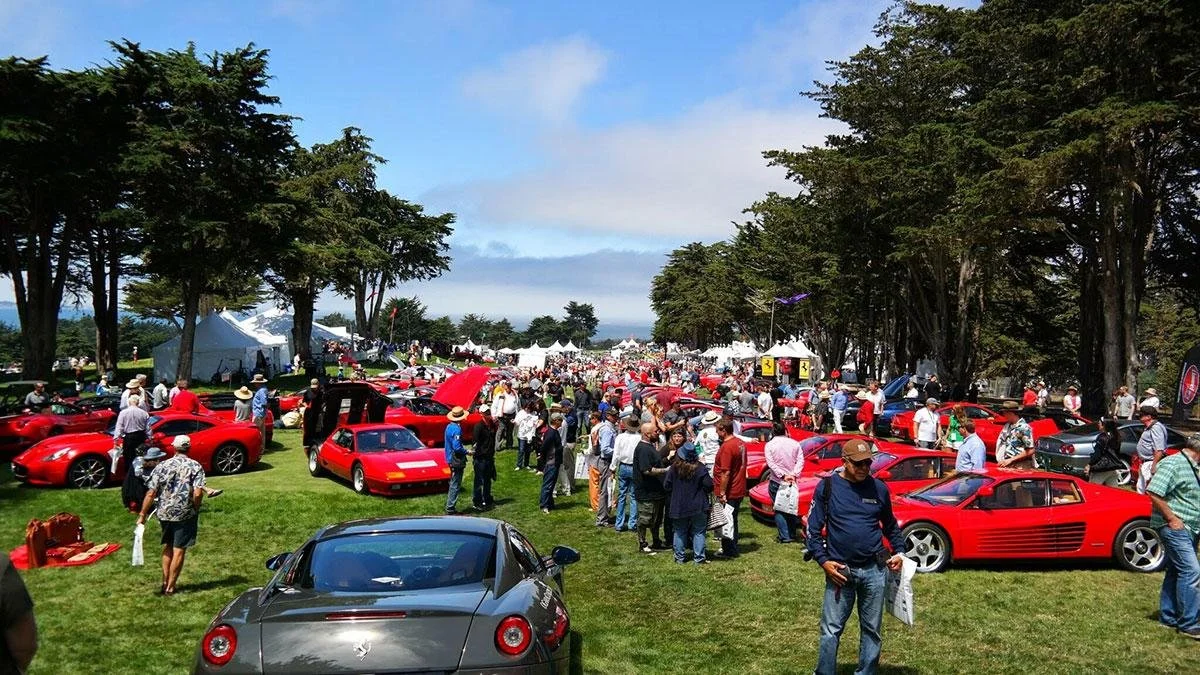
Whether it's a vintage restoration club, lowrider chapter, muscle car group, European enthusiast community, or import team, the purpose remains the same: bringing people together through a shared love of cars.
The evolution of car clubs reflects the evolution of the automobile itself—from simple transportation to a worldwide culture built on creativity, craftsmanship, and community.